
When Album Cover Art Was Part of the Music
Riverside, CA. - Growing up in the 80s and 90s, buying music wasn't just about the songs. It was about the entire experience.
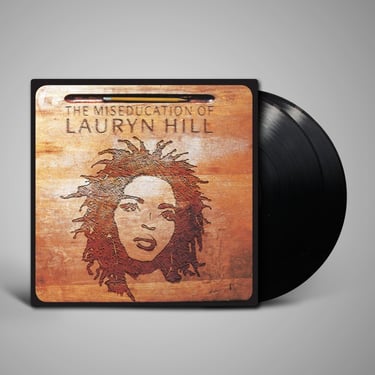
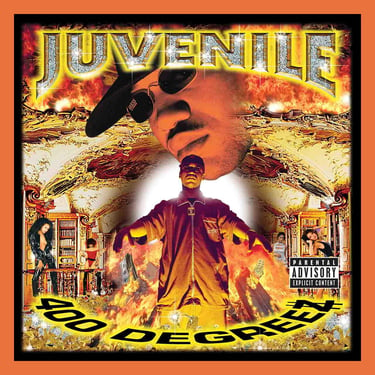
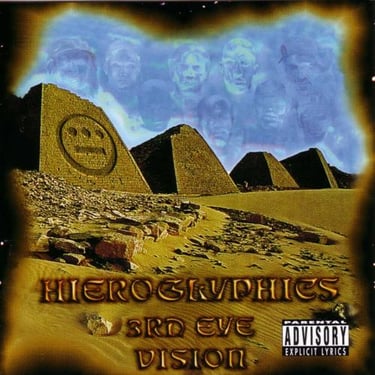
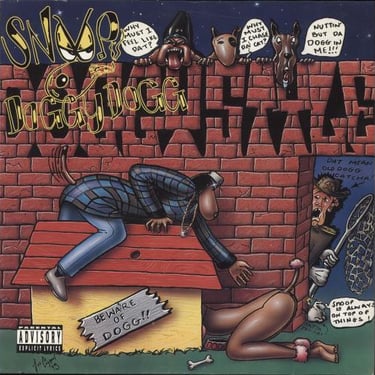
Before streaming services, before social media, and before every song in history could fit inside your pocket, album artwork played a huge role in how we connected with music. The cover wasn't simply packaging. It was often the first impression of the artist, the mood, and the world you were about to step into.
You could spend hours staring at an album cover while listening to the music. Every detail mattered. The colors, illustrations, photography, typography, liner notes, and hidden artwork all became part of the experience.
Blog / When Album Cover Art Was Part of the Music
by @evanipo
Creative Experiment
Below is a cover I created, drawing inspiration from the 80's & 90's cover art style, look, and feel. I chose a title that first comes to mind when I think of music in those times.


Surreal Design
This artwork comes from a surreal design collection I created called: Sun Orange. View Collection
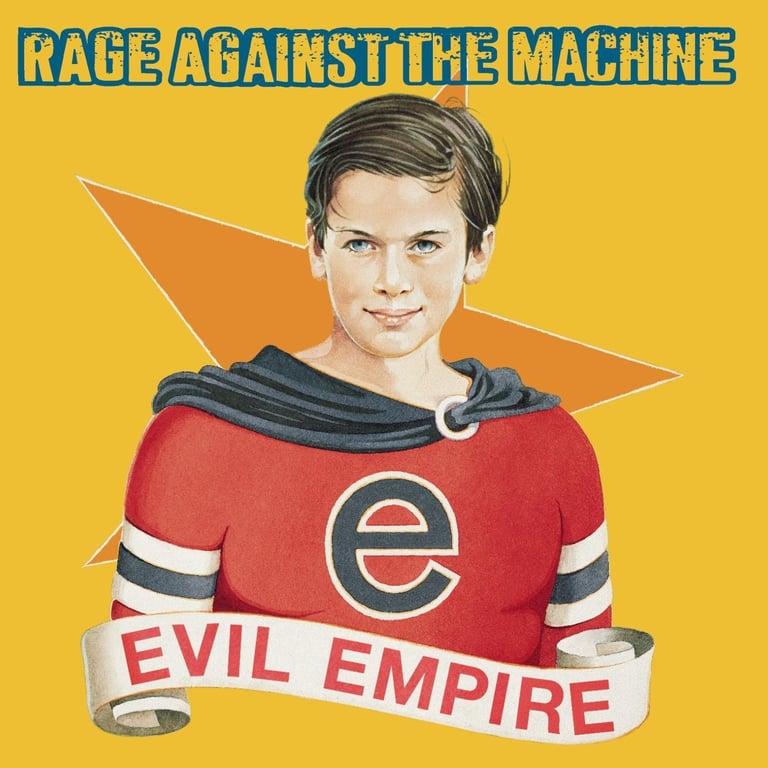
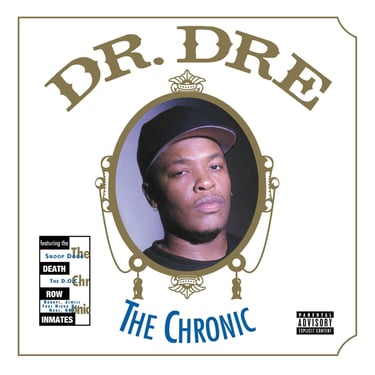
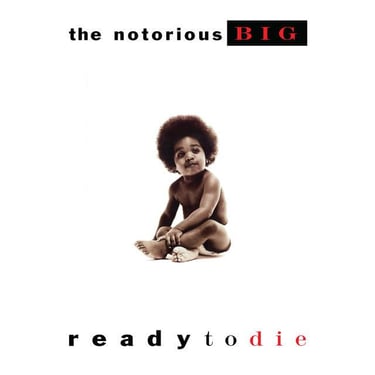
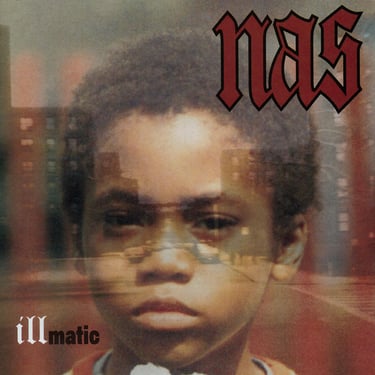
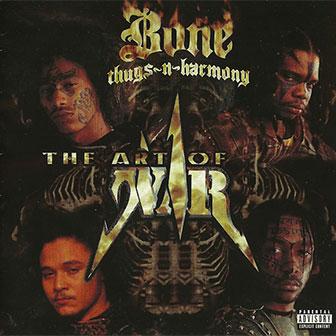
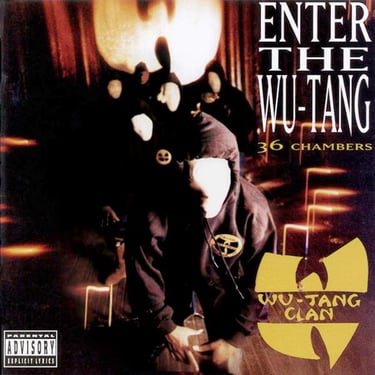
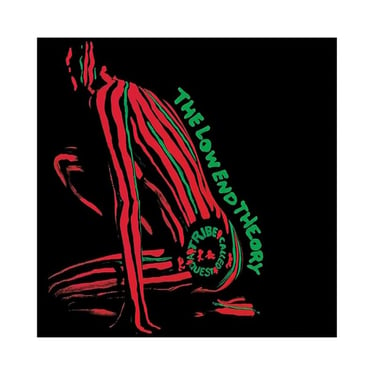
Albums like Evil Empire by Rage Against the Machine, The Low End Theory by A Tribe Called Quest, The Chronic by Dr. Dre, The Art of War by Bone Thugs-N-Harmony, Ready to Die by The Notorious B.I.G., and Nevermind by Nirvana are instantly recognizable, even decades later. Many people can identify the artwork before hearing a single note. This small list doesn't even break the surface of the great cover artwork throughout the history music albums.
Hip-hop in particular delivered visual styles, IMO- pillars still used in modern artwork today. No Limit Records had a major impact on cover art with flashy, bold, chaotic designs. Cash Money Records adopted a similar style, and evolved that look & feel along with a slew of other artists.
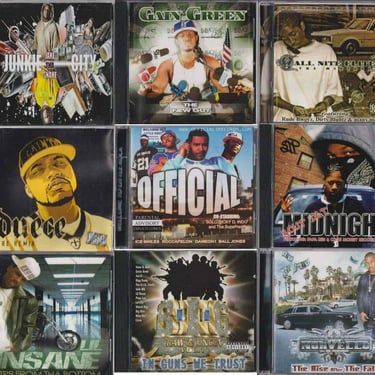
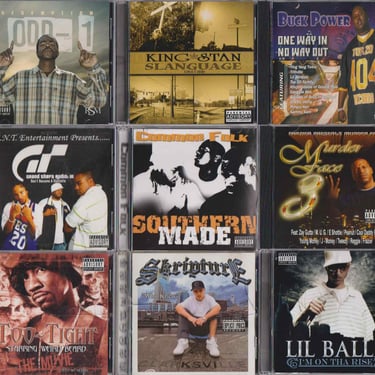
In the early 2000's there was an independent cover art style that used to erk me. Maybe it was the young graphic designer in me being technical. This style of cover: Standard photo of the artist, the image is either crushed or stretched to fit the dimensions of the print. To me, this was a design flaw. But in 2026, I think its really cool looking, and a visual representation of the times. In Hine sight, it was hip hop AF, it was a trend of the times. It was exclusive access to an artist selling their CD/TAPE/VINYL from the trunk of their car.
Today, music is more accessible than ever. Streaming has given listeners instant access to millions of songs. While that's incredibly convenient, something was lost or perhaps minimized along the way. Many listeners never experience the artwork beyond a tiny square thumbnail on a phone screen.
That doesn't mean album cover art is dead.
These days, I'd argue that social media posts and stories have become the new album cover. Instead of a single image representing an artist for months or years, we now get an ongoing visual experience in real time. It's an endless canvas where artists share their lives, ideas, creative process, and personality while connecting directly with their audience.
At the same time, concerts and music videos have become far more intentional and immersive. They're no longer just supporting the music—they've become part of the artwork itself. In many ways, I think the album cover experience hasn't disappeared. It's simply transcended into something much larger, stretching across social media, live performances, video content, and the entire digital presence of the artist.
If we want to see a simplified version of this digital era, in my opinion; one way to accomplish this is look in the past for anything printed.
Evan's Creative Studio
Copyright 2026 ® evanipo.com All Rights Reserved
Privacy Policy + Terms & Conditions
+ Store Policy + Media